It's Our REHAB That WORKS.
Plenty of clinics treat injured workers. Very few are built, top to bottom, around getting a workers' comp case to a defensible finish line. The difference shows up in six places.
1 · Therapist-managed — which decides who decides
Ask a simple question about any provider: who decides how long your claimant stays in the program? Here it's a clinician who still treats. Not a regional manager, not a growth target, not a private-equity dashboard. Much of this market has consolidated into hospital systems and national roll-ups; we didn't. When a case needs a judgment call — extend, discharge, change the goal — a therapist makes it, and their name is on the report.
That's been true since 1990, when an occupational therapist founded this company. The founding story →
2 · One-on-one, and here's what that actually means
"One-on-one" is easy to print, so here are the specifics: your patient is treated by a licensed therapist, the treating therapist is named on the documentation you receive, and program sessions are supervised throughout — not handed to an aide and a machine. If you want to know the therapist-to-patient ratio at a given clinic on a given day, ask us and we'll tell you.
3 · A worker, not just a patient
From day one, treatment is organized around the job: its lifts, its postures, its schedule. Our gyms have framing walls, ladders and load-carry simulation next to the treadmills — because the finish line isn't "feeling better," it's Monday morning. We keep the worker a worker, not a long-term patient.
4 · FCEs built in-house, refined for 30 years
Our functional capacity evaluation is our own — developed here and sharpened through three decades of daily use and cross-examination. It's why referrers in this region treat us as the FCE provider of record. The full FCE story →
5 · Fluent in workers' compensation
We know the difference between a case that needs return-to-work and a case that needs settlement or closure — and we serve both without confusing them. Reports are written for the people who actually read them: adjusters, nurse case managers, attorneys, physicians. What happens after you refer →
6 · Results that speak for themselves
Every program patient is measured at entrance and discharge on the same battery. We publish outcomes only after they survive verification against source records — with the denominator and date window attached, because a number you can't defend is worse than no number. And we don't screen referrals by predicted outcome, so what we publish will describe your actual claimants rather than a hand-picked subset. How we measure →
What we can show you today: 4.9 / 5 average care rating and 96% who would recommend us, across 609 patient surveys, Mar 2023 – Aug 2026, every clinic. Read them →
Questions about the process? Ask the pros. Industrial rehab leaders who know workers’ compensation and case management — call (888) 827-6361 or start a referral and we'll recommend the right next step.
If the job doesn't fit in a clinic,
we build the job.
A firefighter doesn't lift dumbbells for a living. They drag charged hose. They climb in full gear. They carry people who can't carry themselves.
A leg press can't answer the only question that matters on that file: can this person do this job again, safely, for a full shift?
So we start with the job, not the gym. We study its actual demands — the weights, the movements, the pace — and build the simulation to match. When one doesn't exist, we make it.
That's what "real-world readiness" means here. Not a protocol printed off a shelf. The job itself, rebuilt indoors, with progress you can measure against it — because "probably ready" isn't a discharge plan.
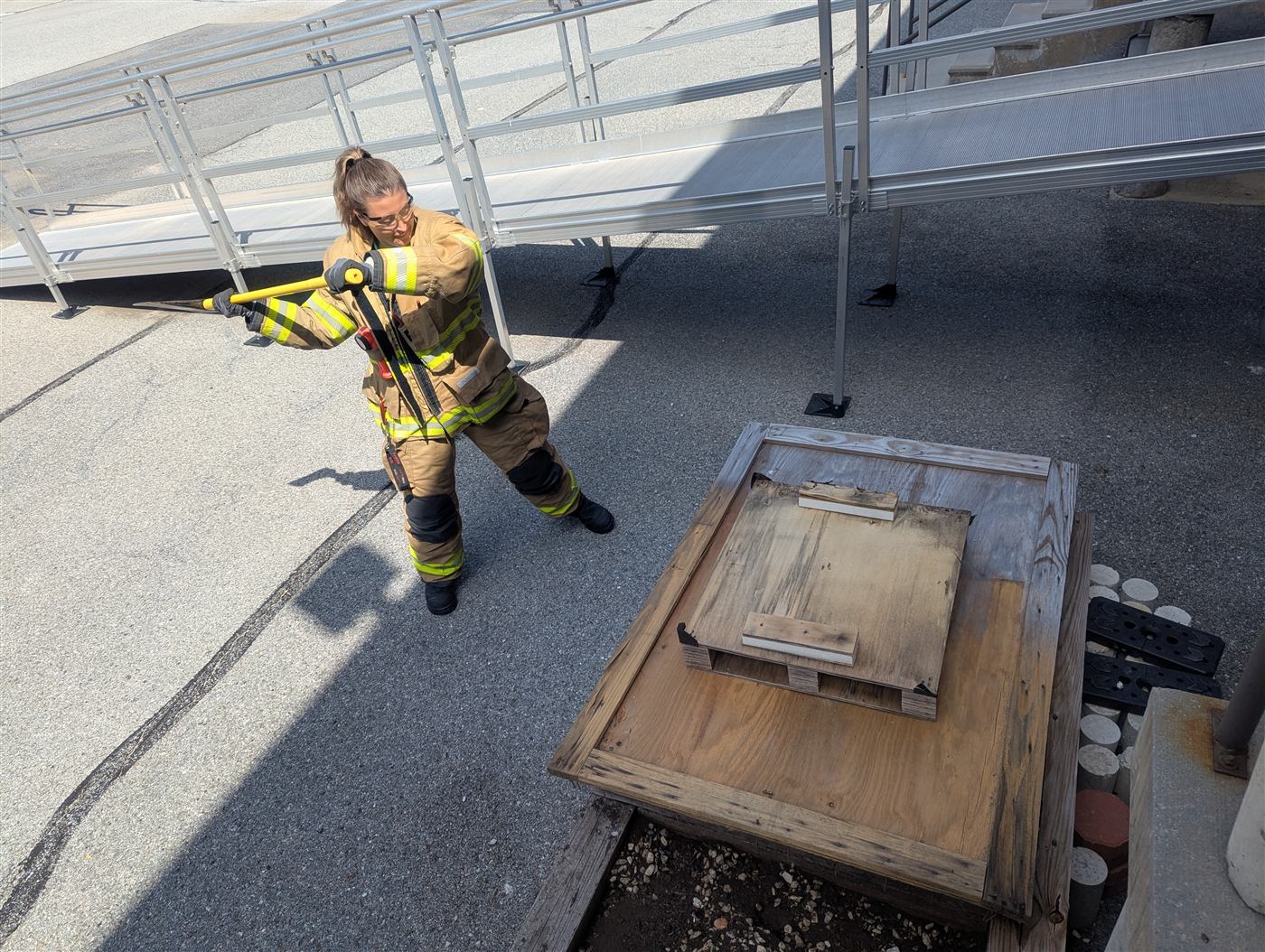
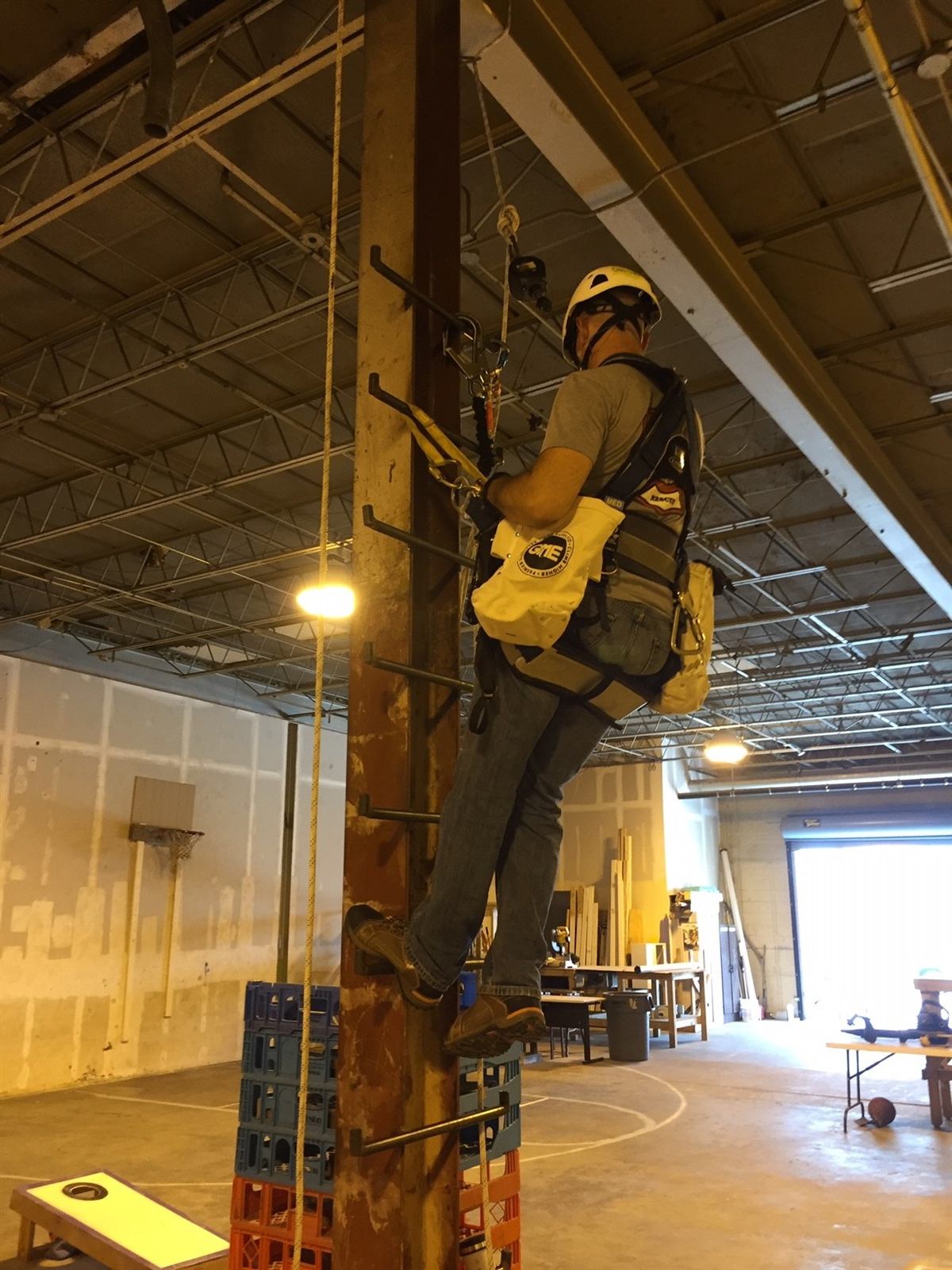
First shared on our LinkedIn, where we post field notes like this from the clinic floor. Follow along →
Test us on a hard case.
Send the referral you can\u2019t get moving — and judge us on the documentation.