Work Hardening
A structured, job-specific program that takes an injured worker from medically stable to demonstrably ready for duty — with entrance and discharge testing that documents the difference. At all 10 clinics across Maryland and Virginia, serving the DC metro.
What work hardening is
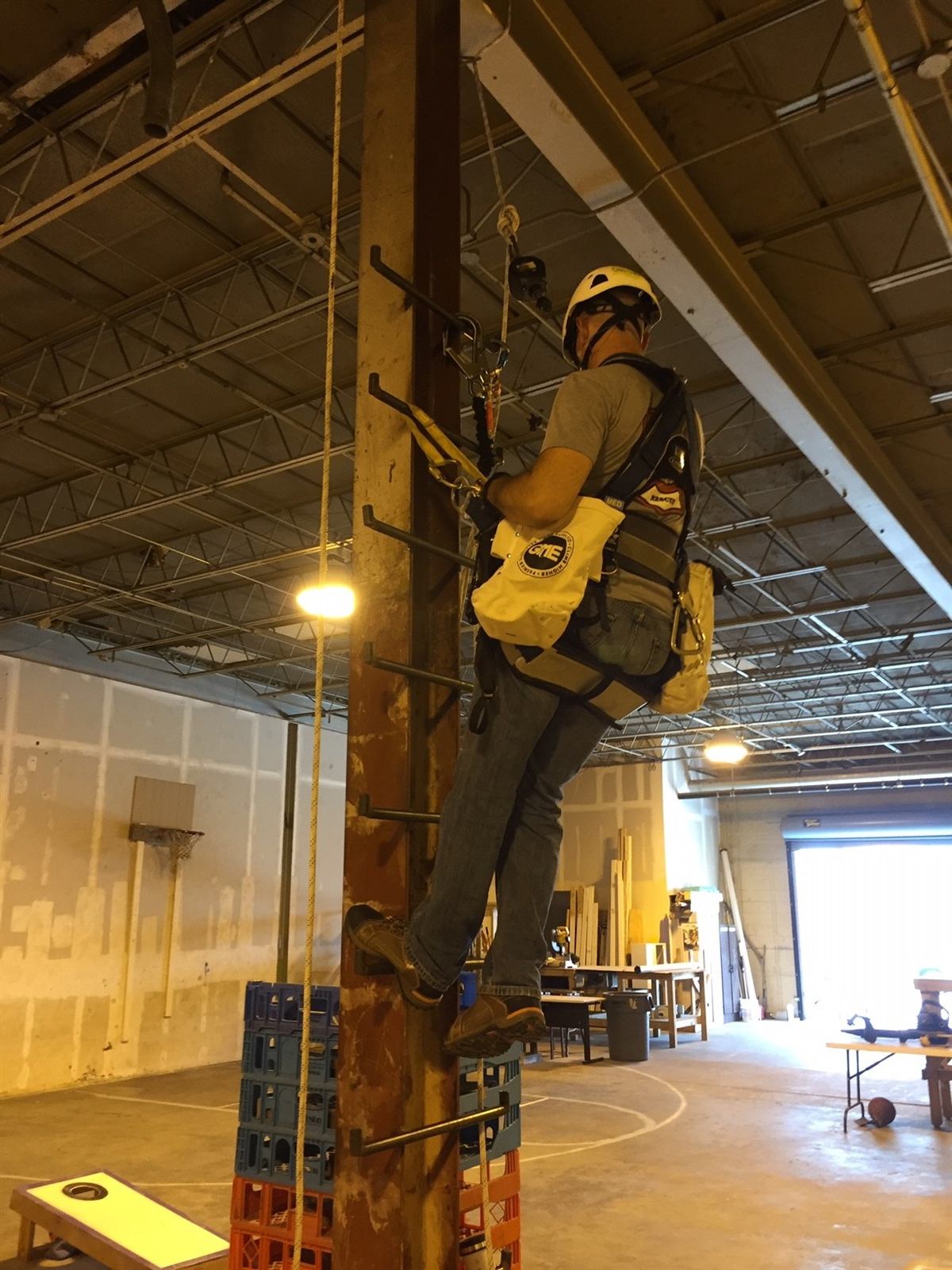
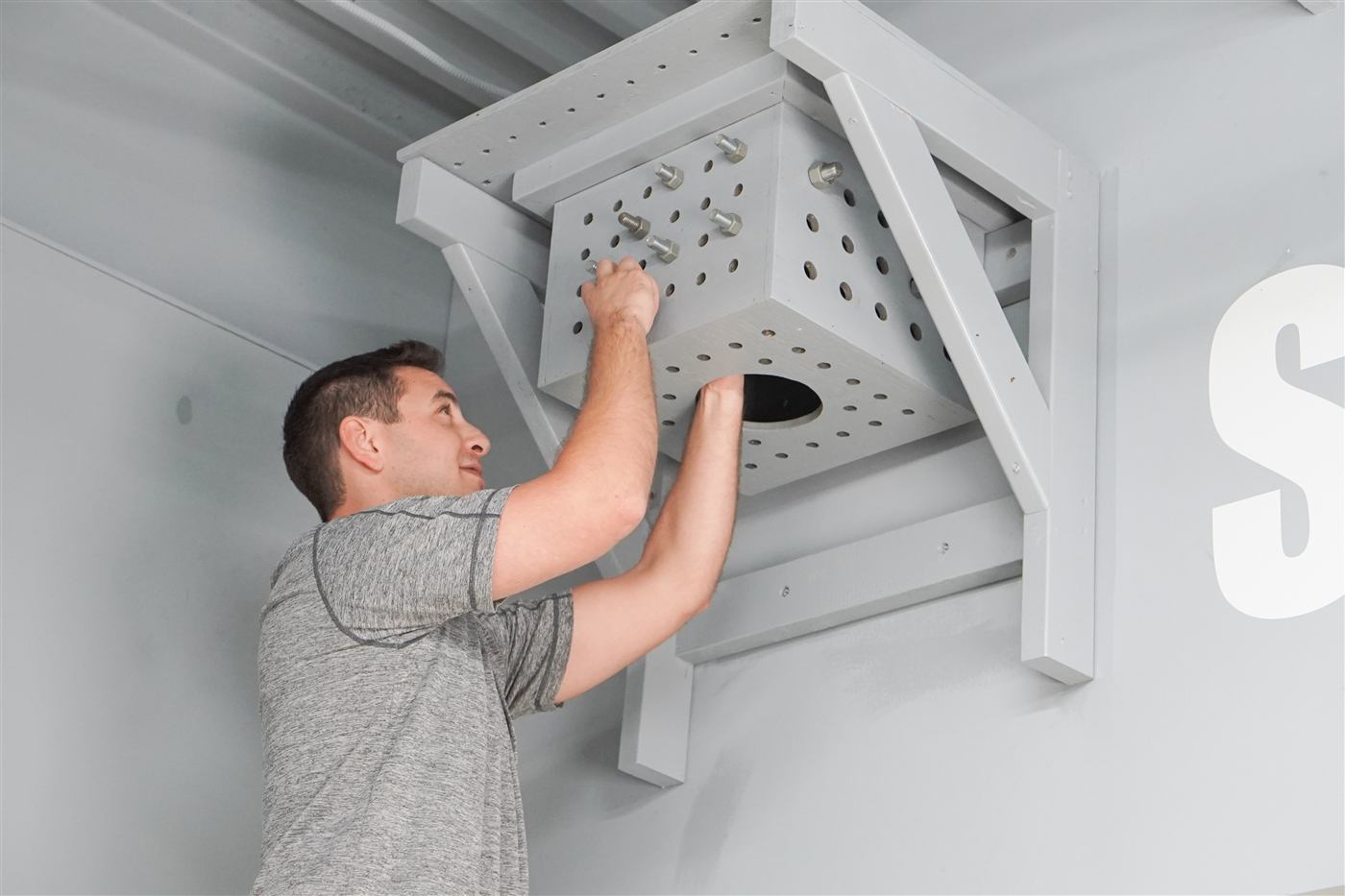
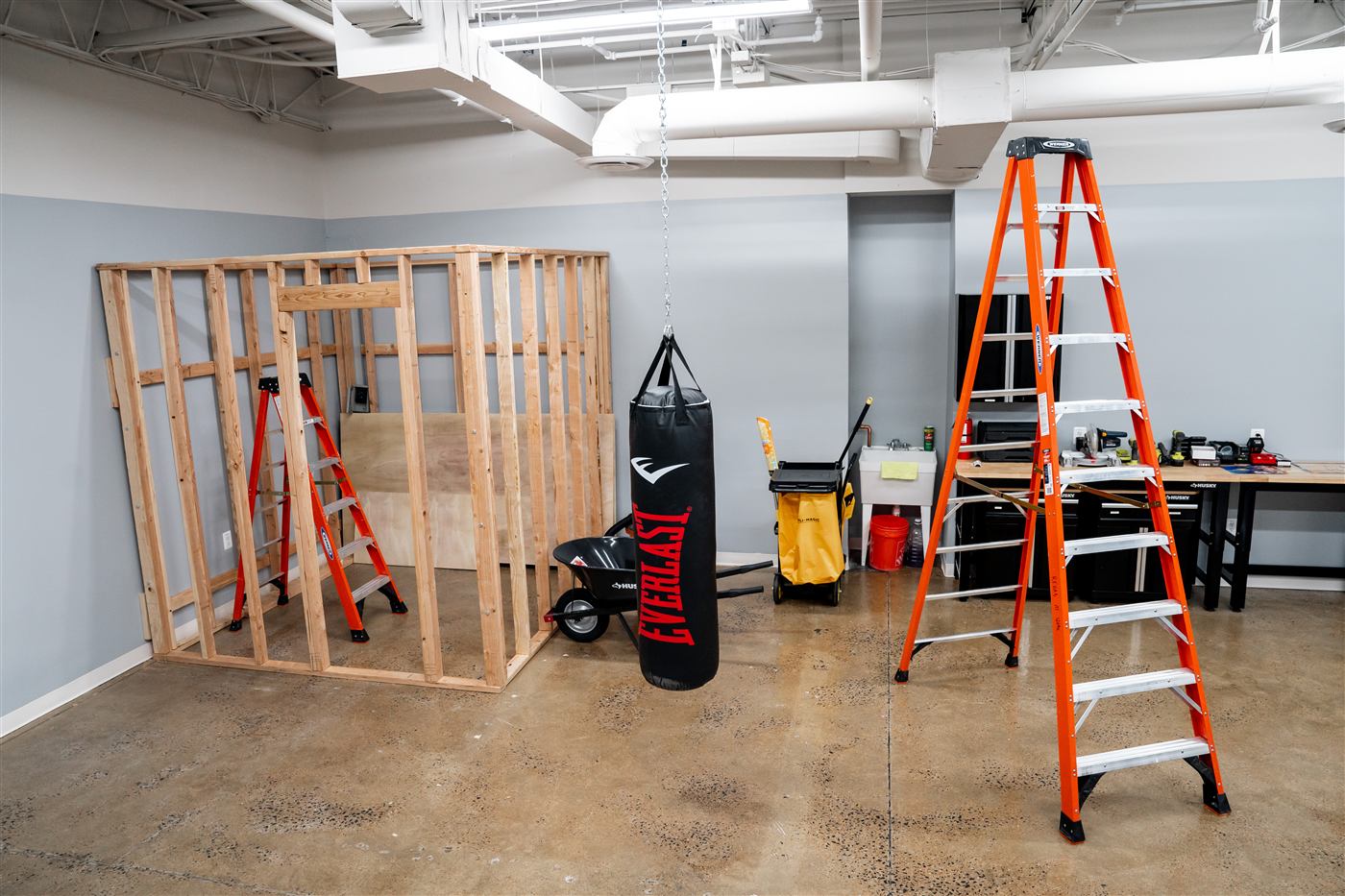
Work hardening is a structured, multidisciplinary rehabilitation program that uses real and simulated work activities to rebuild an injured worker’s strength, endurance and tolerance to the demands of their own job. Instead of generic exercise, the program day is built from graded versions of the patient’s actual job tasks — lifting to the heights the job lifts at, carrying what the job carries, climbing, kneeling, pushing and pulling to the job’s own demands.
The goal is not "finished therapy." The goal is a worker who can demonstrably meet the physical demands of a specific job — and a report that proves it, demand by demand.
Entrance-tested, exit-tested. Every patient completes a standardized entrance evaluation and the same battery at discharge. Progress isn't an adjective in our reports — it's a before-and-after number tied to the job's own demands.
How long it takes
Adjusters and case managers plan around duration, so here is ours — measured from our own billing records, not estimated:
Medians from 1,070 completed programs over the 24 months ending 2026-07-17, stable year over year. How we derive our numbers →
Work hardening vs. work conditioning
Work conditioning is an intensive single-discipline conditioning program addressing strength, endurance, flexibility and movement tolerance. Work hardening is the full-scale version: multidisciplinary, built around simulated job tasks, and aimed at the whole transition from patient back to worker. In our own billing records, a typical work hardening program runs about 36 days with 20 attended visits; work conditioning runs longer on the calendar but lighter in dose. Both programs, side by side →
What a program day looks like
- Graded, simulated job tasks — lifting, carrying, pushing, pulling, climbing, kneeling — progressed against the job's measured demands
- Conditioning for the strength and endurance the job actually requires
- Body mechanics and safe-work practice built into every task
- One-on-one therapist attention — treatment is never handed off to a tech mill
The work test
Every job has demands you can name: climbing at height, sustained overhead work, floor-to-shoulder lifting, kneeling and crawling and getting back up, pushing and pulling and transferring safely, a full shift on your feet. We build the program day — and the discharge decision — around testing exactly those, on the simulation floor, at the job's own measured demands. The job asks; so that's the test. Not a treadmill. The actual work.
What the referrer receives
- Entrance evaluation with baseline functional measurements
- Progress reporting against job-specific goals
- Immediate notification of attendance or participation problems
- A discharge summary documenting functional change, with a return-to-work recommendation matched to the patient's own job demands
When the goal isn't return to work. In workers' comp, sometimes the goal is settlement or case closure — not full duty. Work hardening serves that too: objective, defensible documentation of what the worker can and cannot do, so the case can move.
Insurance and referrals
We work with all workers’ compensation insurances, and we verify coverage and obtain authorization before the first visit. Referrals come from physicians, adjusters, nurse case managers and attorneys — send what you have and we handle the rest.
Work hardening near you — 10 clinics:
Alexandria, VA · Baltimore, MD · Columbia, MD · Frederick, MD · Glen Burnie, MD · Herndon, VA · Lanham, MD · Manassas, VA · Rockville, MD · Waldorf, MD
Questions we hear about work hardening
What is work hardening?
Work hardening is a structured, multidisciplinary rehabilitation program that uses real and simulated work activities to rebuild an injured worker’s strength, endurance and tolerance to the demands of their own job. Instead of generic exercise, the program day is built from graded versions of the patient’s actual job tasks — lifting to the heights the job lifts at, carrying what the job carries, climbing, kneeling, pushing and pulling to the job’s own demands.
What is the difference between work hardening and work conditioning?
Work conditioning is an intensive single-discipline conditioning program addressing strength, endurance, flexibility and movement tolerance. Work hardening is the full-scale version: multidisciplinary, built around simulated job tasks, and aimed at the whole transition from patient back to worker. In our own billing records, a typical work hardening program runs about 36 days with 20 attended visits; work conditioning runs longer on the calendar but lighter in dose.
How long does a work hardening program last?
Measured across 1,070 completed programs at our clinics, the median program runs about 37 days and 20 attended visits, roughly three sessions per week. Individual programs vary with the injury, the job and insurance authorization.
Who is work hardening for?
Workers who are medically cleared to progress but not yet ready for full duty: therapy goals met but job demands not yet met, deconditioning after extended time away, or cases that need a definitive, documented push toward return-to-work or case closure.
Is work hardening covered by workers’ compensation insurance?
We work with all workers’ compensation insurances, and we verify coverage and obtain authorization before the first visit. Referrals come from physicians, adjusters, nurse case managers and attorneys — send what you have and we handle the rest.
Questions about the process? Ask the pros. Industrial rehab leaders who know workers’ compensation and case management — call (888) 827-6361 or start a referral and we'll recommend the right next step.
Have a case that fits?
Refer to any clinic — portal, fax or phone. We verify coverage and obtain authorization before the first visit.