When an injured worker has finished therapy but still can't meet the demands of the job, the case stalls. Work conditioning and work hardening exist for exactly that gap — structured, progressive, job-specific programs that rebuild capacity and prove it.
Work Conditioning
An intensive, goal-directed conditioning program addressing the strength, endurance, flexibility and movement tolerance a specific job requires. Sessions run multiple hours a day, several days a week, and progress against measurable functional targets — not against the calendar.
Deep dive: the Work Conditioning program →
Work Hardening
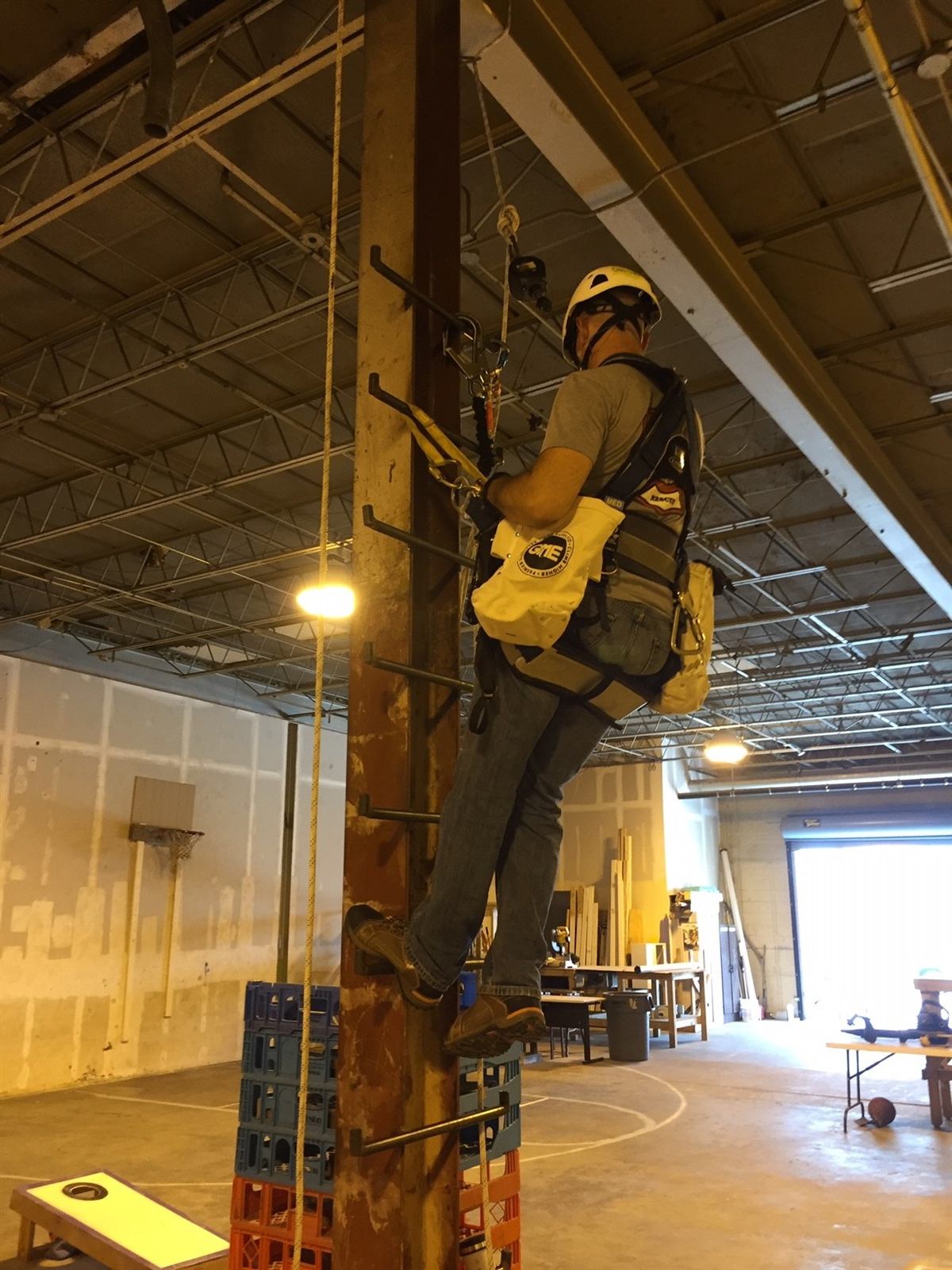
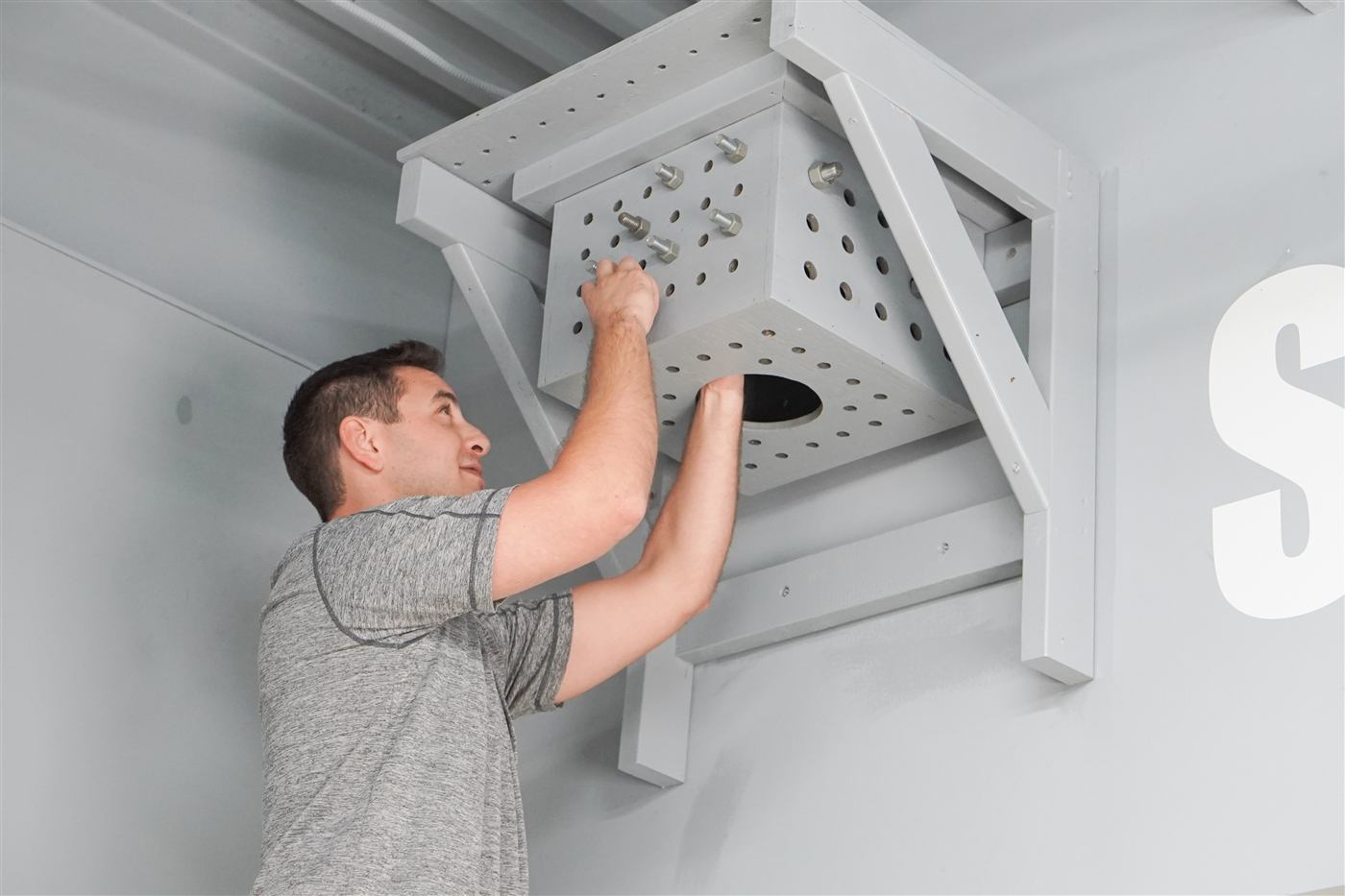
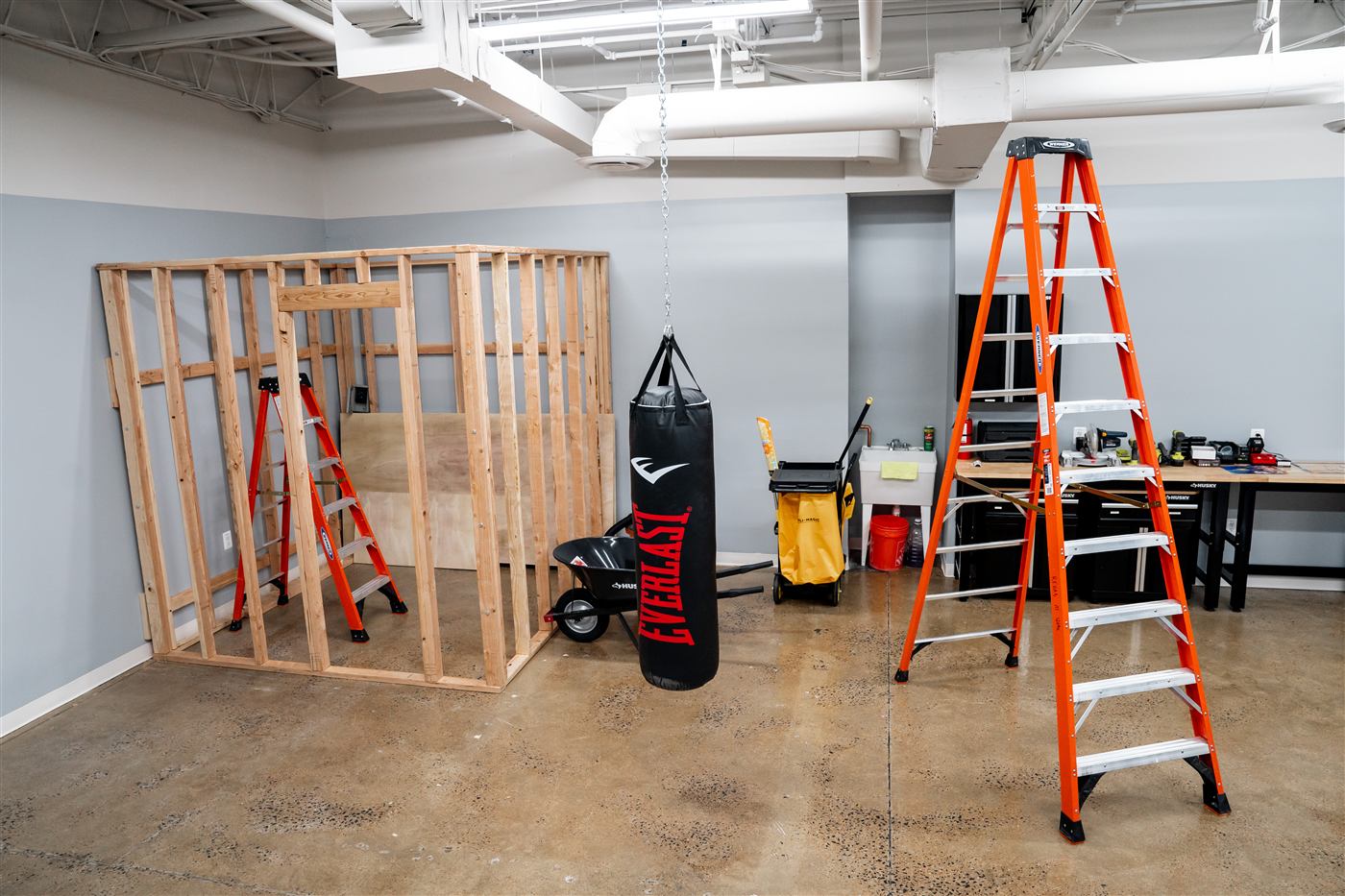
The full-scale version: a highly structured, multidisciplinary program using real and simulated work activities. Patients spend their program day doing graded versions of their actual job tasks — lifting to the heights they lift at work, carrying what the job carries, climbing, kneeling, pushing and pulling to the job's own demands — while we manage the transition from patient back to worker.
Deep dive: the Work Hardening program →
Entrance-tested, exit-tested. Every program patient completes a standardized entrance evaluation and the same battery at discharge. Progress isn't an adjective in our reports — it's a before-and-after number tied to job demands.
What a program actually looks like
Adjusters plan around duration, so here is ours — measured from 1,070 completed programs over the 24 months ending 2026-07-17, not estimated:
Work Hardening runs 36 days, 20 visits, about 3.2×/week (n=930). Work Conditioning runs longer in calendar time but lighter in dose — 40 days, 17 visits, about 2.5×/week (n=138).
These are medians from our own billing records, stable year over year since 2020. Individual programs vary with the injury, the job and authorization — but nobody should have to guess at the shape of one. How we derive our numbers →
Who it's for
- Workers medically cleared to progress but not yet ready for full duty
- Cases where therapy goals are met but functional job demands aren't
- Deconditioning after extended time away from work
- Cases that need a definitive push toward return-to-work or case closure
You're not here to exercise. You're here to get back to work. That is the whole philosophy of both programs: generic gym time doesn't close claims — measured, job-specific capacity does. Every task in the program day exists because the job demands it.
What referrers receive
- Entrance evaluation with baseline functional measurements
- Regular progress reporting against job-specific goals
- Immediate notification of attendance or participation issues
- A discharge summary with functional change documented and a return-to-work recommendation matched to the patient's own job demands
When the goal isn't return to work. In workers' comp, sometimes the goal is settlement or case closure — not full duty. The program serves that too: objective, defensible documentation of what the worker can and cannot do, so the case can move.
Questions about the process? Ask the pros. Industrial rehab leaders who know workers’ compensation and case management — call (888) 827-6361 or start a referral and we'll recommend the right next step.
Ready to refer?
Portal, fax or phone — records can follow. Bilingual services at every clinic.